

wall mirror with lights for bathroom
In the world of industrial machinery and fluid control, metal valves play a pivotal role in ensuring seamless operations across diverse sectors such as oil and gas, chemical processing, and manufacturing. The reliability and effectiveness of these valves can significantly influence operational efficiency and safety, making them a cornerstone in the industrial supply chain. With years of hands-on experience in the field, it’s apparent that not all metal valves are created equal—differences in materials, design, and application can substantially impact their performance. When selecting metal valves for critical operations, several factors deserve meticulous attention. Material composition is fundamental. High-quality alloys such as stainless steel, brass, and carbon steel offer distinct advantages depending on environmental conditions. For instance, stainless steel valves are noted for their corrosion resistance and strength, making them ideal for high-stress environments such as offshore oil rigs. On the other hand, brass valves provide excellent ductility and are often used in applications requiring a good seal and moderate temperature resistance. Expertise in valve design is crucial for any business seeking to optimize their operations. Advanced manufacturing techniques such as CNC machining have allowed for precise control over valve dimensions, which in turn enhances their ability to withstand high pressures and temperatures. For high-pressure applications, such as those found in chemical processing plants, precision-engineered ball valves are often recommended. These valves ensure tight shut-off capability and minimize the risk of leakage, ensuring that harmful substances are safely contained. One cannot overlook the authoritative benchmarks set by established industry standards such as API, ANSI, and ISO. These standards provide guidelines ensuring that metal valves meet requisite safety and performance criteria. Valves certified under these standards bring an added layer of trustworthiness, signaling to users that they can withstand rigorous operational demands. A thorough understanding of these certifications is beneficial for engineers and procurement specialists aiming to integrate metal valves into their systems reliably. metalvalves The trustworthiness of a valve supplier also cannot be overstated . Collaborating with manufacturers who have a proven track record in delivering high-quality metal valves can make a significant difference. It is advisable to evaluate suppliers based on their history of delivering on-time solutions, post-sales support capability, and customer testimonials. This kind of diligence can uncover manufacturers genuinely invested in supporting the long-term success of their clients. From a practical standpoint, real-world application and testing provide the final validation of a metal valve’s adequacy for specific tasks. Encouraging case studies from various sectors demonstrate the wide-ranging applicability of these valves. For instance, in the food and beverage industry, metal valves ensure the safe transfer of liquids in processing plants, reaffirming their versatility and importance. In navigating the complex landscape of metal valves, businesses are best served by relying on a combination of empirical experience and authoritative guidance. Leveraging expert knowledge not only enhances operational reliability but also mitigates risks associated with valve malfunctions. Ultimately, choosing the right metal valve—crafted with precision, certified for quality, and backed by reputable expertise—can significantly contribute to operational excellence and safety.
about
wall mirror with lights for bathroom
Understanding Taper Plug Gauges A Precision Tool for Quality Control In the realm of manufacturing and quality assurance, the importance of precise measurements cannot be overstated. One tool that has managed to hold its ground in ensuring dimensional accuracy is the taper plug gauge. This specialized gauge is designed to assess the internal diameters of holes and other geometrical features with a level of precision that plays a critical role in the production of parts and components across various industries. What is a Taper Plug Gauge? A taper plug gauge is a type of gauge used to check the size and form of a tapered hole. It comprises a cylindrical shaft that is slightly tapered along its length. The tapering allows the gauge to assess not only the hole diameter but also its tapering angle. This makes the taper plug gauge essential for applications where tapered fittings are used, such as in hydraulic systems, automotive components, and aerospace parts. Design and Structure The design of a taper plug gauge typically features two main sections the tapered portion and the handle. The tapered section is precision-engineered to allow for a snug fit when inserted into a corresponding tapered hole. The difference in diameter at the larger and smaller ends of the taper provides an effective means to gauge the size and conformance of the hole. Most taper plug gauges are made from high-quality materials such as tool steel and are frequently coated to enhance durability and resistance to wear. Surface finishes are also a critical consideration as they can affect the gauge’s ability to measure accurately . Calibration and Standards taper plug gauge To ensure that taper plug gauges provide reliable measurements, they must be properly calibrated. Calibration involves adjusting the gauge by comparing it to a standard reference. This process is vital because even minor deviations can lead to significant errors in the production process. Many industries follow strict standards set by organizations such as the International Organization for Standardization (ISO) and the American National Standards Institute (ANSI), which dictate specifications for gauging tools. Applications in Various Industries Taper plug gauges find applications in a multitude of industries. In the automotive sector, they are frequently used to check the fit of components like valves and shafts. Ensuring that these parts fit together correctly is vital for the safety and performance of the vehicle. In aerospace manufacturing, precision is paramount. Taper plug gauges are employed to verify the integrity of fittings and other crucial components to ensure that they can withstand the extreme conditions experienced during flight. The tool is also utilized in the production of medical devices, where dimensional accuracy can literally be a matter of life and death. Ensuring that parts fit together correctly affects not only the functionality of devices but also patient safety. Conclusion In conclusion, the taper plug gauge serves as an indispensable tool in the manufacturing landscape, providing a reliable means to ensure that internal diameters of tapered holes meet the required specifications. Its design, coupled with the attention to calibration and standards, makes it a vital instrument in maintaining quality control across various industries. As manufacturing processes continue to evolve and demand higher precision, tools like the taper plug gauge will remain critical in connecting the intricate links between design intent and practical execution.
-

High quality industrial productsagement

High quality industrial products
View Details -

Meet the diverse needs of customers

Meet the diverse needs of customers
View Details -

Strict quality control

Strict quality control
View Details -

Top raw materials

Top raw materials
View Details -

Trusted supplier

Trusted supplier
View Details
Our application
news and information
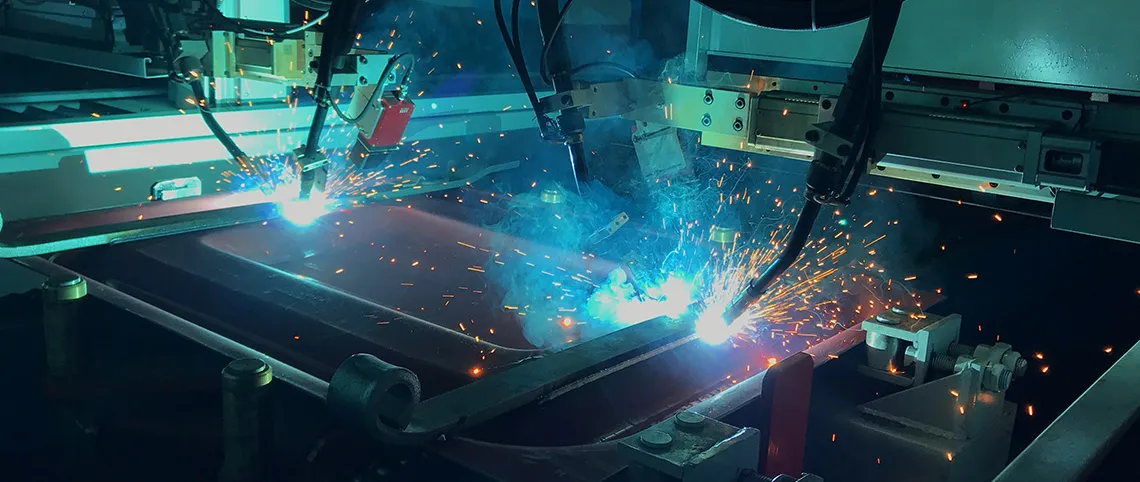
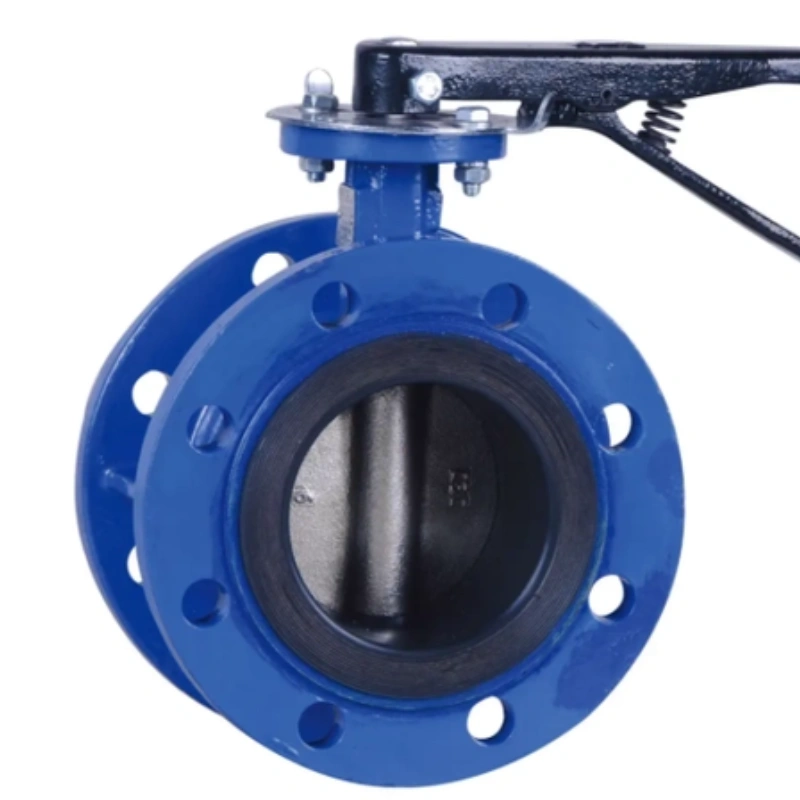
Van cầu cân bằng cho hệ thống ống dẫn hiệu quả cao và bền bỉ
Van Bi Cân Bằng Giải Pháp Tối Ưu Cho Hệ Thống Ống Nước Trong ngành công nghiệp hiện đại, việc kiểm s
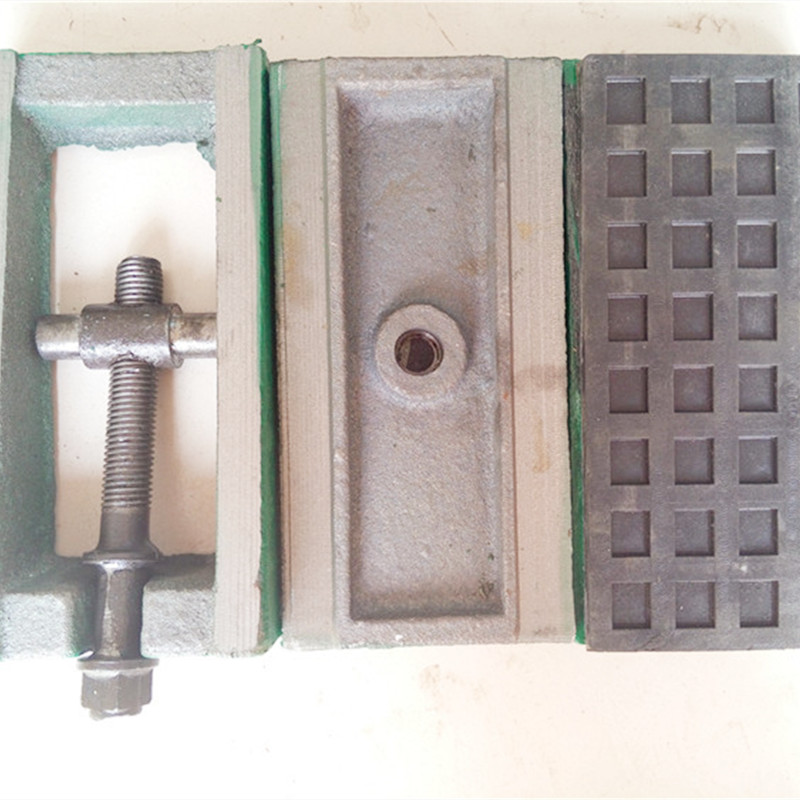
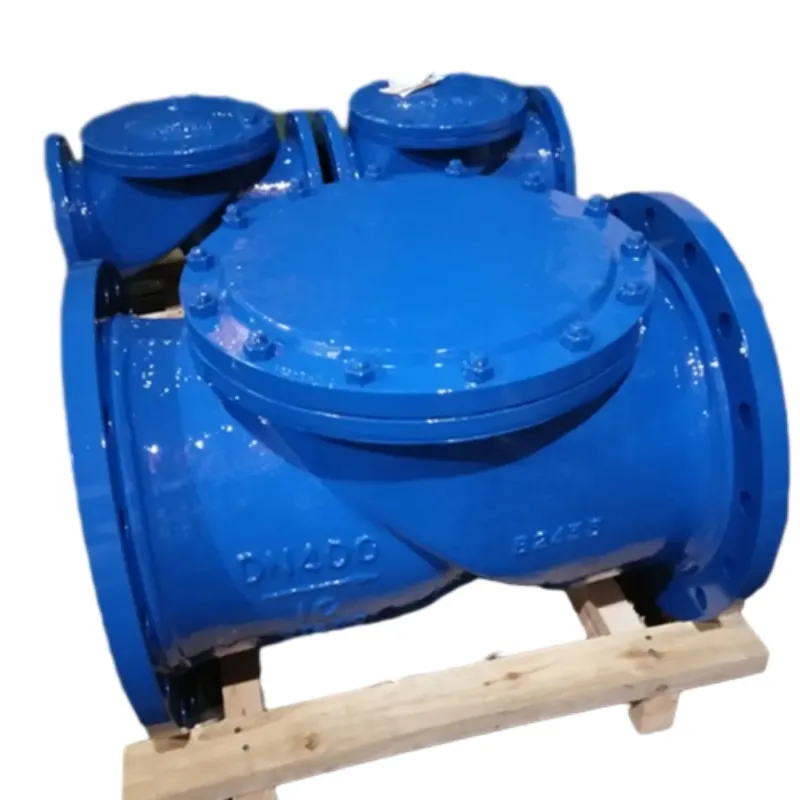
What Is a Ball Check Valve_
When it comes to fluid control systems, one essential component that plays a critical role is the ch
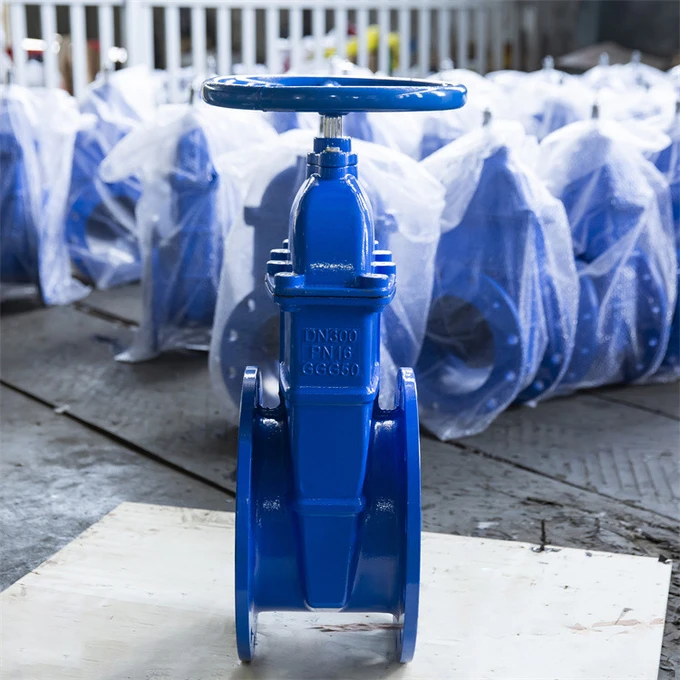
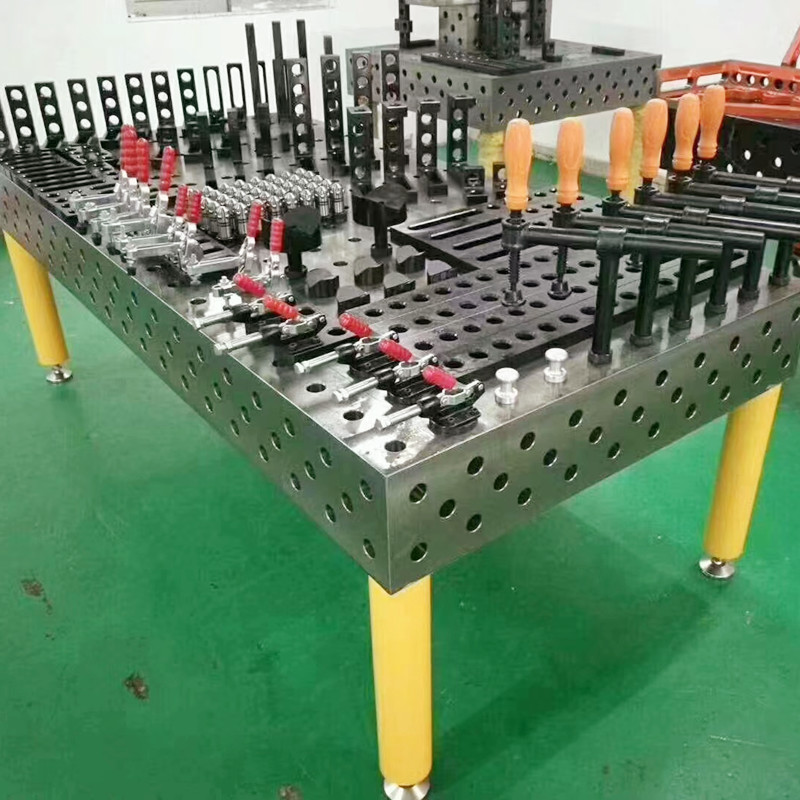
Versatile Clamps for Welding Tables Enhancing Stability and Precision in Metal Fabrication
The Importance of Welding Table Clamps in Metalworking Welding is an essential process in various in
 English